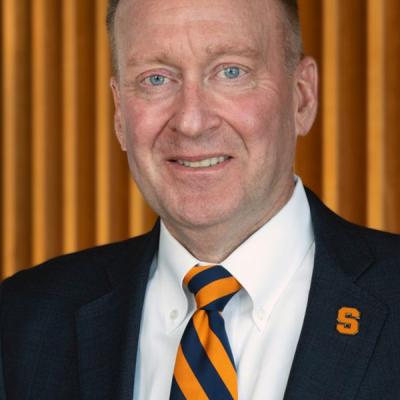
J. Michael Haynie Appointed 13th Chancellor and President of Syracuse University
The Air Force veteran, academic innovator, scholar and longtime University leader will succeed Chancellor Kent Syverud.
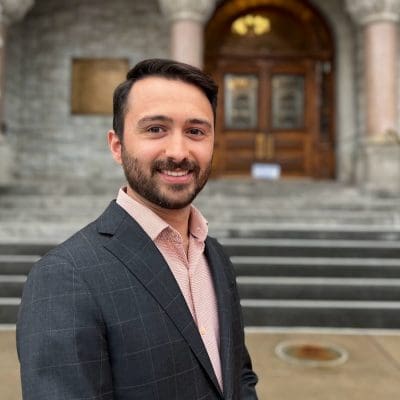
Chief Information Officer Vincent Scipione ’17, G’20 credits the iSchool for shaping how he integrates technology into organizations and communities. Now serving in Mayor Sharon Owens’ historic administration, he’s leading strategic technology initiatives to help power Syracuse’s next chapter.
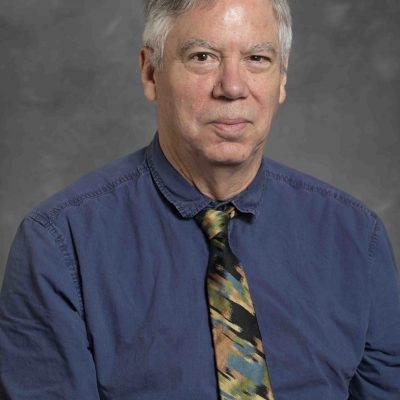
iSchool Professor Lee McKnight commented in The New York Times on the widespread outage that disrupted cellular and data service on Verizon’s network for more than six hours. The issue was resolved late Wednesday, according to the company.
Lee McKnight, associate professor at Syracuse University’s iSchool, joined NPR’s Morning Edition to discuss what the recent Verizon outage reveals about vulnerabilities in the U.S. wireless grid.
Professor Lee McKnight says young voters support streamlining government, echoing past efforts like those under the Clinton-Gore administration.
Professor Lee McKnight tells Spectrum News that unofficial experts in government aren't new—but DOGE’s data access and Musk’s conflicts of interest raise unique concerns.
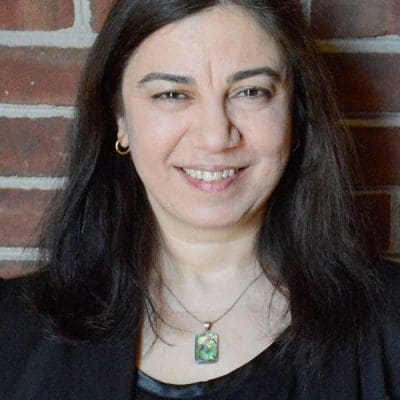
Jaime Banks investigates how we form relationships with AI companions, what they mean to us, and how they challenge our understanding of connection, identity, and ethics in a digital world.
iSchool professor Jennifer Stromer-Galley warns that weak digital ad regulations and shady election tactics leave voters vulnerable to manipulation in a fragmented information environment.
Jennifer Stromer-Galley explains how campaigns now use merchandise to collect supporter data through a “swag-to-text” strategy. Known for picking quirky items like John McCain’s ice scraper, she draws the line at pricier pieces—Jeb Bush’s $75 “Guaca Bowle” was, she admits, a bit too much for research.
iSchool professor Jennifer Stromer-Galley cautions that political text messages often evade public scrutiny, making it easier for campaigns to spread misleading information. The lack of transparency, she notes, creates a challenge for journalists and researchers seeking accountability.