
Earn Your Ph.D. In Information Science and Technology at iSchool
Our Ph.D. in Information Science and Technology takes a human-centered approach to digital and information technologies. Join a community dedicated to understanding information as a manageable resource with a distinct human element. This innovative, multidisciplinary program equips you with the research skills and insights needed to become a leader in academia and the information industries.
- Human-centered approach to information, blending digital technologies with human uses of information.
- Multidisciplinary research skills drawing from sociology, psychology, policy, and communications.
- Collaboration with faculty experts in management, computing, and librarianship.
- Full funding for admitted Ph.D. students.
- Commitment to 4-5 years of full-time, residential study.
- Opportunity to immerse in advanced research and scholarship.
Program Info

Next term starts:
Fall 2026
78
Total Credit Hours

Program Duration:
4-5 years

Program Delivery:
On-campus
Admissions Requirements
Program Learning Outcomes
How to Apply
What Can You Do with a Ph.D. in Information Science and Technology?
Our Ph.D. in Information Science and Technology provides students with the expertise to pursue advanced roles in sectors such as academia, technology research and development, data science, cybersecurity, healthcare informatics, and more.
The skills developed during a doctoral program empower graduates to tackle complex challenges in areas like machine learning, data privacy, and algorithm design while advancing cutting-edge research in fields such as artificial intelligence, human-computer interaction, and big data analytics, ultimately shaping the development of innovative technologies and the evolution of information systems.
Career opportunities
- University Professor
- Research Scientist
- Data Scientist
- Cybersecurity Analyst
- Technology Consultant
- Policy Advisor
- Chief Technology Officer (CTO)
- Human-Computer Interaction Specialist
- Systems Architect
Annual projected job openings
in Computer and IT professions
Bureau of Labor Statistics
Median annual
wage
Bureau of Labor Statistics
Ranking of Syracuse University’s
iSchool programs
US News & World Report
Pursue Your Interests.
Our program combines a flexible curriculum based on your individual research interests, and focus areas that allow you to pursue your personal areas of interest. Through a series of guided research experiences with faculty combined with courses on methods, theories of digital technologies, and theories of information, you’ll explore how the interactions between people and information technology can shape the world around us.
Advance With Expertise.
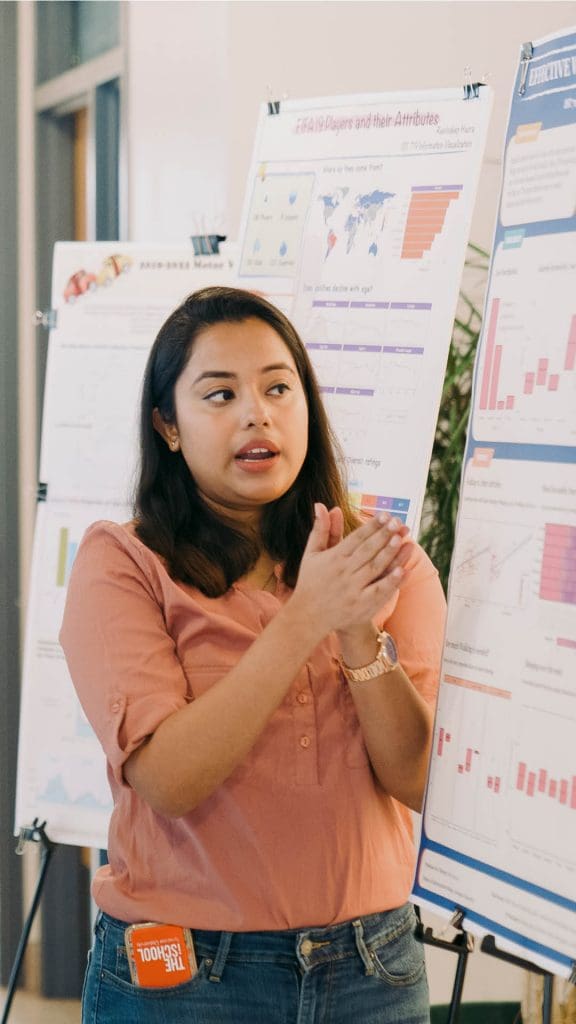
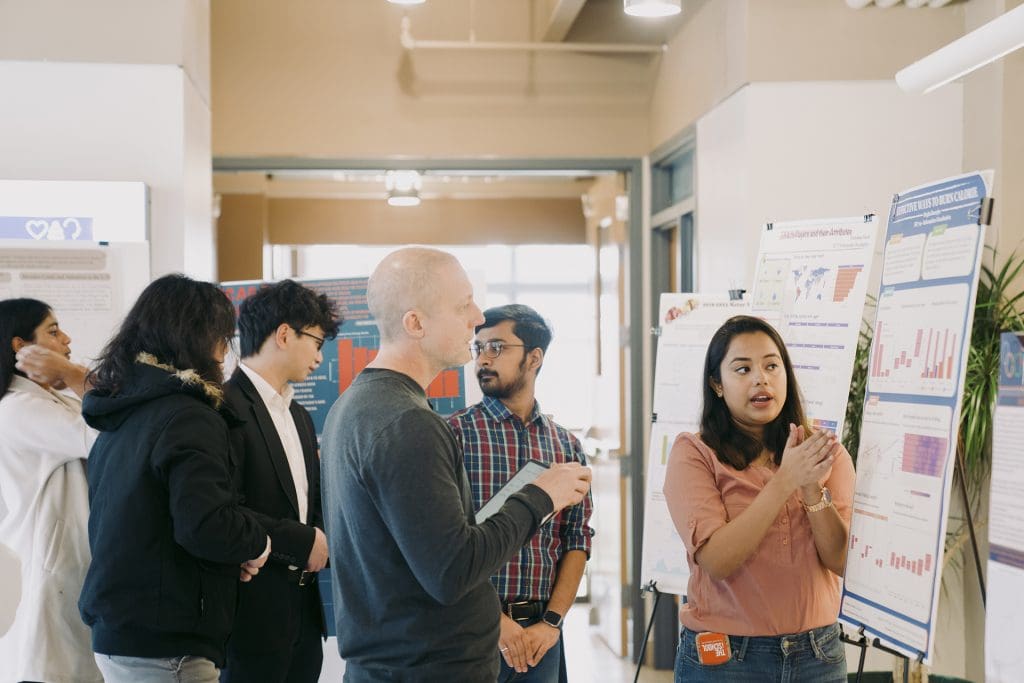
Work closely with our esteemed faculty, join a research lab, and pursue investigation in your areas of expertise. Here, you’ll have the support of a close-knit group of professionals, and the resources of a major research university. You’ll gain mastery in your field, and the experience you need to take the next step in your career.


Join Our Ranks.
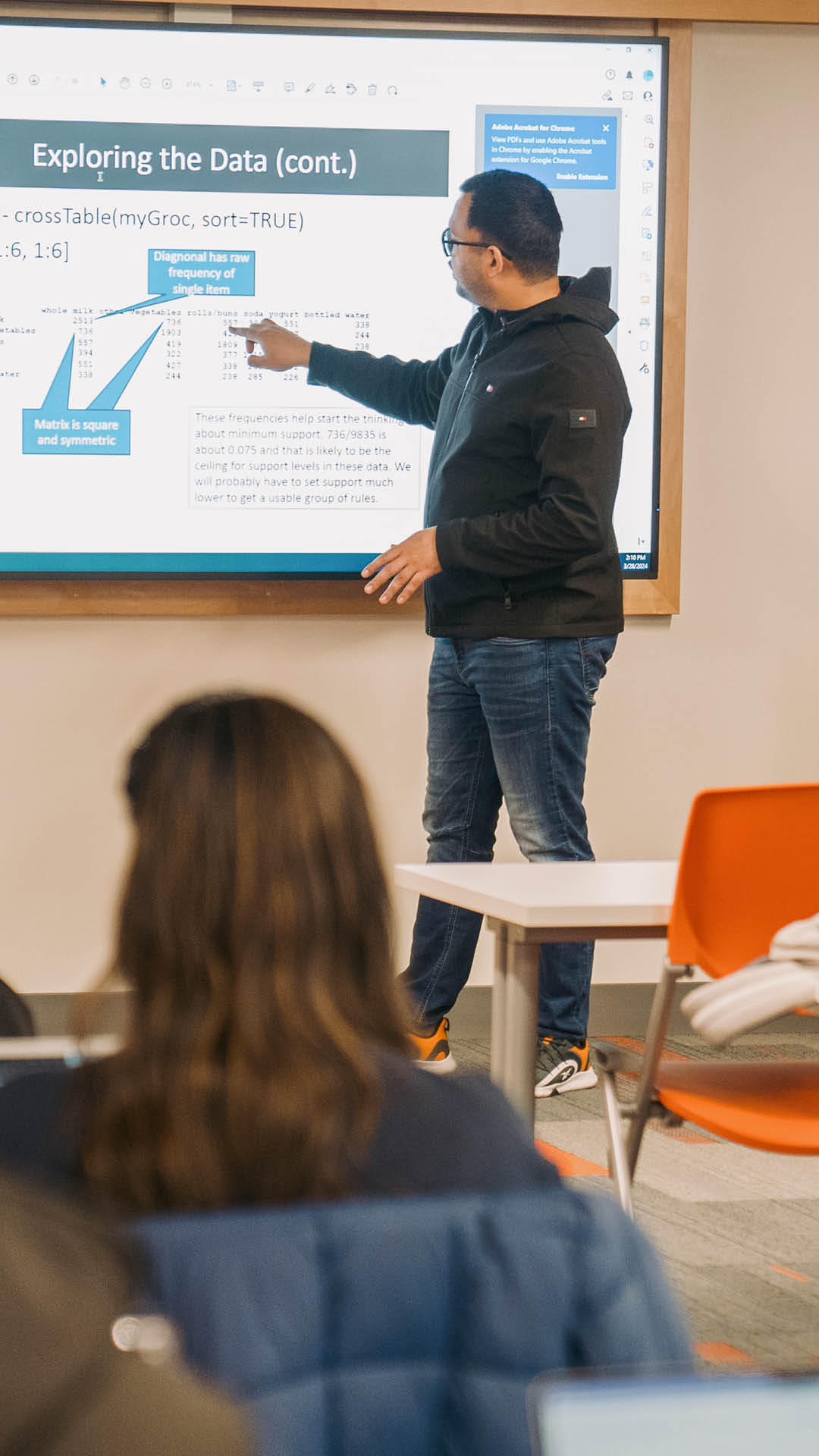
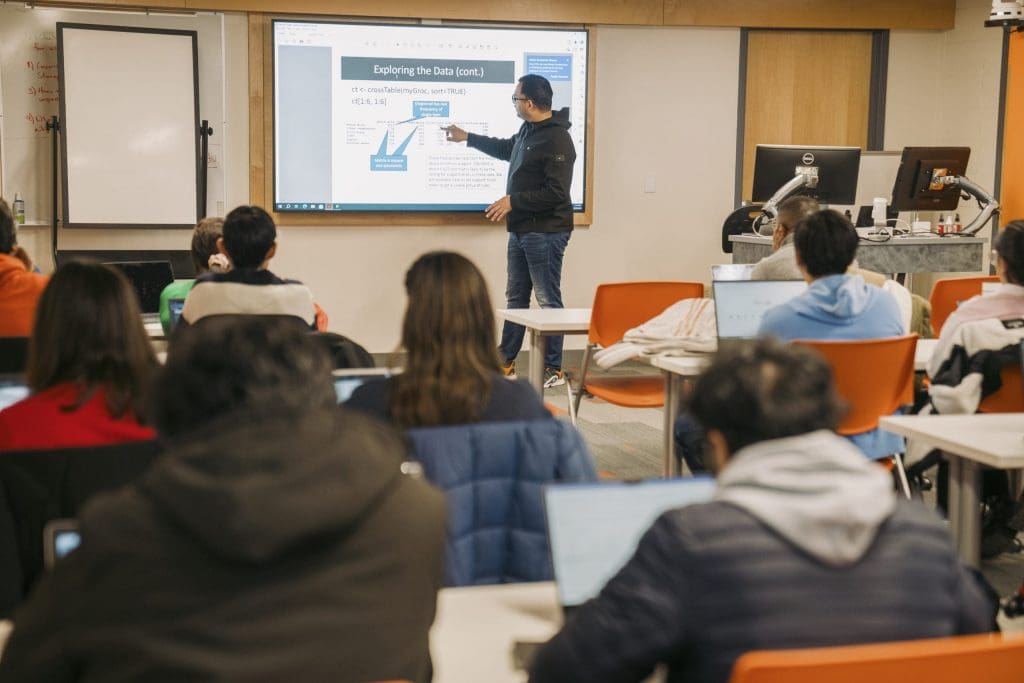
You embrace interdisciplinary nature of the information field, and invite alternative views and approaches to research. As a lifelong learner, you aspire to a career in academia or are otherwise committed to research. We invite you to apply to our program.


All Syracuse University iSchool programs are accredited by the American Library Association (ALA) and the Middle States Commission on Higher Education (MSCHE). We currently hold continued ALA accreditation status through 2030.
Courses & Curriculum
Overview
The PhD in Information Science and Technology is very flexible and can be constructed to meet an individual student’s unique needs. The program requires 78 credits post-baccalaureate to complete, up to 30 of which can be transferred in with a relevant MS/MA degree. Among these 78 credits, 18 are devoted to the PhD thesis, which we consider the critical, culminating component of the degree.
Research and Teaching Practica
All IST PhD students must complete 12 credits of research and teaching practica, which are apprentice-like experiences where students work one-on-one with faculty. Practica are typically completed within the first two years of the program and are the only common experience shared by our diverse set of interdisciplinary doctoral students.
Coursework
The remaining credits are achieved through coursework. While the iSchool offers a range of research seminars and methods courses, doctoral students can elect to take courses anywhere on campus, so long as at least 12 of these credits are at the 700-level or above. Students can also develop an independent study with an interested faculty member.
Unlike other doctoral programs, the PhD in Information Science and Technology has no required curriculum, enabling students to build their knowledge and advance their research skills on their own terms.
Alumni
Success Stories
Join a global community of scholars dedicated to advancing our understanding of information, exploring the limits of technology, and examining their impact on society today and in the future.

Grad Student Studying AI to Detect, Reduce Inequality in Science
Lizhen Liang, G’20, ‘25, is studying information science and technology. He is focused on computational social science and how AI is researched and used to inform people’s lives.

Jaime Banks
Leading research on social AI, Dr. Banks explores why we treat machines like real companions.

Steve Sawyer
Professor Sawyer explores how tech and teamwork come together in the modern workplace.
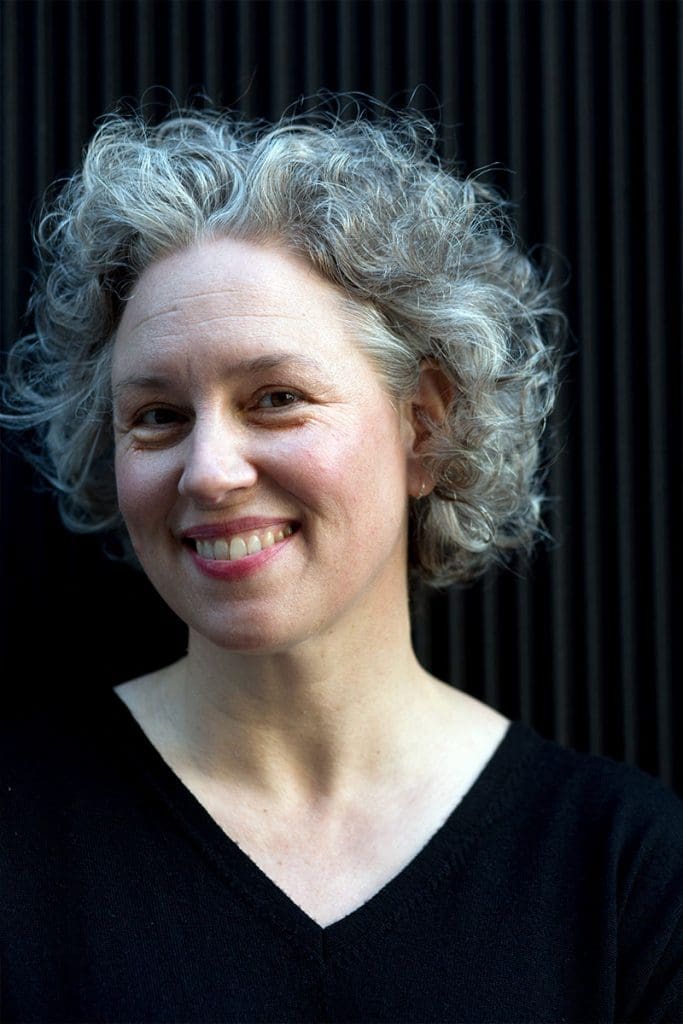
Ingrid Erickson
Researching gender, tech, and culture, Dr. Erickson brings global insight to innovation.
Faculty Experts
Our program is led by a team of accomplished professionals and industry leaders who bring a wealth of knowledge and real-world experience to the classroom. They are dedicated to supporting your academic and professional growth, ensuring you gain the skills and insights needed to thrive in the field of Information Science and Technology.
Frequently Asked Questions
How long does it take to earn a PhD in Information Science and Technology?
It typically takes about 4 to 5 years to earn a PhD in Information Science and Technology.
Is a PhD in Information Science and Technology the same as one in computer science?
No, a PhD in Information Science and Technology focuses more on the study of information systems, data management, and human-computer interaction, while a PhD in Computer Science emphasizes programming, algorithms, and software development.
Is a doctorate in Information Science and Technology worth it?
A doctorate in Information Science and Technology can be worth it if you aim for advanced positions in academia, research, or leadership roles in the tech industry, enhancing your expertise and potentially leading to higher salaries.
How can you fund a PhD in Information Science and Technology?
There are several ways to fund a PhD in Information Science and Technology, including scholarships, grants, or personal savings. It’s also possible to seek funding from professional organizations and government agencies.