Library and Information Science
Master’s Degree

ON CAMPUS PROGRAM

REQUEST INFORMATION

Have Questions? Send us your contact info below and we’ll get in touch!

Loading...

Earn Your Master’s Degree in Library and Information Science

With our Master of Library and Information Science, you will gain the skills to connect communities, advance equity, and promote justice. You’ll learn how to discover, manage, and organize information resources while focusing on user services, data privacy, protection, and information literacy. 

Your studies will emphasize information justice, equity, engagement, and technology use in your community, allowing you to put your training to work through experiential learning in various settings.

Program Benefits

  • Prepare for or advance your career in libraries, museums, schools and other settings.
  • Available on campus or online to suit your schedule.
  • Accredited by the ALA for nearly 100 years.
  • Gain experience and build your resume through hands-on experience
Program Info

Clock

Next term starts: 

Fall 2026

36

Total Credit Hours

Graduate

Program Duration:

Complete in as little as one year

Laptop

Program Delivery: 

Available on-campus and online

12

Courses

 
Admissions Requirements
  1. Complete the Graduate Program Application – Submit your application through the Graduate Program Application portal.
    After submission, you’ll receive an email confirmation from Syracuse University.
  2. Pay the Application Fee – A non-refundable fee of $75 is required.
    If you’re applying to multiple programs, each requires a separate application and fee.
    Post-9/11 veterans may qualify for a fee waiver; contact the Veterans Resource Center at veterans@syr.edu for details.
  3. Submit Academic Transcripts – Provide one copy of transcripts from all postsecondary institutions you’ve attended. While unofficial transcripts are acceptable for initial review, official transcripts confirming a U.S. bachelor’s degree (or equivalent) are necessary upon admission. Failure to provide official transcripts may result in revocation of admission.
  4. Write a Personal Statement – In approximately 500 words, discuss your academic and personal interests, relevant experiences, reasons for choosing this degree and Syracuse University, and your future plans post-graduation. Upload this document through the online application.
  5. Obtain Two Letters of Recommendation – Request two letters from individuals who can assess your qualifications. Recommendations can be submitted electronically via the OnBase application system. If electronic submission isn’t possible, mail sealed letters, signed across the seal by the recommender, to the Graduate Enrollment Management Center.
  6. Consider Exam Scores – Submitting GRE scores is optional. If you’ve taken the GRE, GMAT, or LSAT, you’re encouraged to include your scores.
  7. Provide a Current Resume or Curriculum Vitae (CV) – Include an up-to-date resume or CV with your application.

Please visit the M.S. in Library and Information Science Application Checklist for more detailed information.

Admission requirements for international students

All international applications are required to submit one of the following: TOEFL, IELTS, or Duolingo scores.

Exemptions:

  • Applicants with a four-year (or higher) degree from a U.S. institution or select exempt countries (confirm eligibility via igrad@syr.edu).
  • Native English speakers or citizens of English-speaking countries.

Visit the International Student FAQ for detailed information.

Financial Documentation:

  • Not required for admission review but necessary for visa issuance (I-20).
  • Demonstrate funding for at least the first year of study:
    • Privately Sponsored Applicants: Submit a certified bank statement or loan approval letter showing sufficient funds in U.S. dollars.
    • Government-Sponsored Applicants: Submit an original or certified copy of an award letter indicating the annual funding amount.

Financial documents must be in English and valid within one year of the semester start date.

 
Scholarships & Awards

These include merit-based iSchool Merit Awards, the 30% Upstate Scholarship for residents of certain areas in Upstate New York, the Information Literacy in Academic Libraries Scholarship for those pursuing a career in academic librarianship, and the Veterans and Military Award for military personnel and veterans.

Eligibility and application details vary by award.

Visit the Graduate Awards and Scholarships for more information.

 
How to Apply
  1. Gather Required Documents
  2. Complete the Graduate Program Application:
    • Visit the Graduate Program Application portal on the Syracuse University website.
    • Create an account and fill out your personal information, educational background, and program-specific details.
  3. Submit Supporting Documents
  4. Pay the Application Fee
  5. Track Your Application

If you have any questions or need assistance throughout the process, feel free to reach out to our Enrollment Management team at iGrad@syr.edu. A member of our team will be happy to assist you.

 
Tuition & Fees

Cost per
credit

$2,086

X

Number
of credits

36

=

Total
Tuition

$75,096

*All on-campus students are eligible for generous scholarships, which may help reduce the overall graduate cost.


What Can You Do with a Master’s in Library and Information Science?

A Master’s in Library and Information Science (MLIS) opens doors to a wide range of career opportunities in both traditional and emerging fields. This degree equips you with the skills to manage and organize information, whether in libraries, museums, archives, or other information-driven environments.

Career opportunities
  • Archives and special collections librarian
  • Competitive intelligence analyst
  • Electronic resource librarian
  • Information architect
  • Information officer
  • Librarian and media specialist
  • Program consultant
  • Publishing manager
  • Rare books curator
  • Research analyst
  • Subject specialist librarian
  • Web content strategist
#0
Highly ranked program by
US News & World Report
US News Website
MEDIAN PAY FOR
LIBRARY PROFESSIONALS
Bureau of Labor Statistics
$0
#0
US News & World Report
Ranking in Digital Librarianship
US News Website

Delve Deeper, Explore Farther.

In addition to getting practical, on-the-job experience, students have opportunities to join a research lab or collaborate with faculty on their academic work, exploring the role of information in furthering social justice.


male librarian with woman
male librarian with student

Pursue Your Interests.

Explore topics that interest you most. Our flexible program offers focus areas and the opportunity to solidify your expertise with a Certificate of Advanced Study in Data Science or pursue another professional pathway.


Grow Your Potential.

The iSchool’s tight-knit community, coupled with Orange pride, means that you’ll become part of a vibrant and active professional network when you graduate. That’s how we’re able to place nearly all of our graduates into a variety of roles, from school districts to libraries to universities, to museums, and beyond.

0%
All of our students get access
to career support staff
0
iSchool alumni offer mentoring and jobs
librarian in the stacks
a girl in the stacks
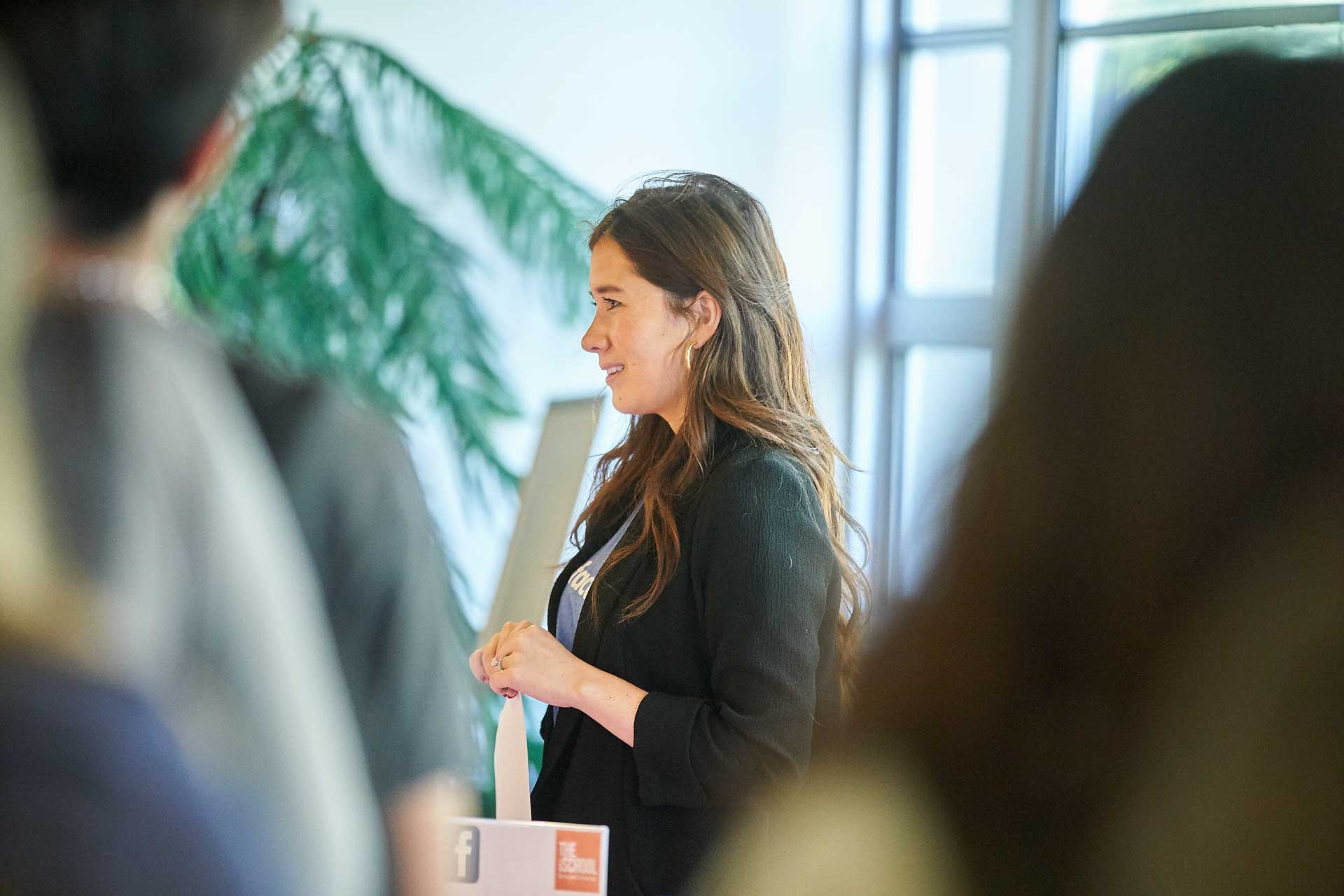
Celeste Drumhiller '14 listens at a Facebook recruiting event

Our LIS program has been accredited by the American Library Association (ALA) since 1928. We currently hold continued accreditation status through 2030.

Courses & Curriculum

The 36-credit LIS curriculum is designed to prepare librarians who have the broad range of knowledge and skills needed for exemplary practice in the library and information profession. Students in the School Media specialization should consult the School Media specific curriculum.

Core Knowledge and Skills: 15 credits

LIS core courses provide a solid grounding in the knowledge, skills, and values of the library and information profession. The 15-credit LIS core has three parts:

Introductory Core: 3 credits

IST 511 | 3 CREDITS
Survey of the professional, social, ethical, and legal issues affecting information service professionals and organizations and prepares students to deal with these issues and work with a diverse community.

Information Resources Core: 9 credits

IST 605 | 3 CREDITS
Equips students with foundational knowledge of library ethics/standards, user information behavior, information literacy (including core information search, evaluation, and use practices), library resource types and discovery tools, question answering strategies, and related user-responsive library resources and services.

IST 616 | 3 CREDITS
Introduction to theories, tools, and standards for information organization and access, including cataloging rules and formats, content analysis, indexing, classification, and fundamentals of information retrieval systems.

Management Core: 3 credits

IST 717 | 3 CREDITS
Management of academic, public, and special libraries. Relationship between library and its parent institution; internal organization and operation; library information policies; library financing; legislation affecting libraries.

Concentration – 9 credits

Required Course

IST 674 – Academic Libraries – 3 credits

Electives

IST 635 – Collection Development and Management – 3 credits
IST 662 – Instruction, Facilitation, and Program Design – 3 credits
IST 671 – Research Project Design: Frameworks, Ethics, Methods – 3 credits
IST 681 – Metadata – 3 credits
IST 715 – GLAM: Galleries, Libraries, Archives, Museums – 3 credits

IST 600 – Selected Topics – 1-6 credits
IST 649 – Introduction to Human-Computer Interaction – 3 credits
IST 664 – Natural Language Processing – 3 credits
IST 675 – Dynamics of Human AI Interaction – 3 credits
IST 688 – Building Human Centered AI Applications – 3 credits
IST 691 – Deep Learning in Practice – 3 credits
IST 692 – Responsible AI – 3 credits
IST 736 – Large Language Models in Information Contexts – 3 credits

IST 652 – Scripting for Data Analysis – 3 credits
IST 659 – Data Administration Concepts and Database Management – 3 credits
IST 664 – Natural Language Processing – 3 credits
IST 676 – Digital Curation – 3 credits
IST 681 – Metadata – 3 credits
IST 686 – Quantitative Reasoning for Data Science – 3 credits
IST 687 – Introduction to Applied Data Science – 3 credits
IST 707 – Machine Learning – 3 credits
IST 719 – Data Visualization – 3 credits
IST 736 – Large Language Models in Information Contexts – 3 credits
Required Course
IST 622 – Cultural Heritage and its Preservation – 3 credits
Electives – 6 credits
IST 607 – Digital Humanities for Cultural Heritage Professionals – 3 credits
IST 624 – Preservation of Library and Archival Collections – 3 credits
IST 626 – Information Justice & Community Engagement – 3 credits
IST 628 – Arrangement and Description of Archival Collections – 3 credits
IST 632 – Special Collections – 3 credits
IST 676 – Digital Curation – 3 credits
IST 681 – Metadata – 3 credits
IST 682 – Community Responsiveness in the Information Profession – 3 credits
IST 715 – GLAM: Galleries, Libraries, Archives, Museums – 3 credits
Required Course 
IST 672 – Public Libraries – 3 credits
Electives – 6 credits
IST 564 – Accessible Library & Information Services – 3 credits
IST 604 – Cataloging – 3 credits
IST 611 – Educational Technology in Libraries – 3 credits
IST 635 – Collection Development and Management – 3 credits
IST 662 – Instruction, Facilitation, and Program Design – 3 credits
IST 682 – Community Responsiveness in the Information Profession – 3 credits
IST 715 – GLAM: Galleries, Libraries, Archives, Museums – 3 credits

Required Course 
IST 612 – Youth Services in School and Public Libraries – 3 credits

Electives – 6 credits
IST 564 – Accessible Library & Information Services – 3 credits
IST 626 – Information Justice & Community Engagement – 3 credits
IST 662 – Instruction, Facilitation, and Program Design – 3 credits
IST 668 – Literacy Through School Libraries – 3 credits
IST 672 – Public Libraries – 3 credits
IST 682 – Community Responsiveness in the Information Profession – 3 credits

Students can select any three IST graduate-level courses, or 9 credits, that provide a coherent experience related to Library Science. Students should consult with the program director to ensure the appropriateness of the courses and consider how they will add to their knowledge and skillset. Courses outside of the iSchool must receive permission prior to registration.

Electives – 12 credits

Exit requirement

IST 613 Library Project Design: Analysis to Assessment should be taken in the final semester or term of the MSLIS program.

Student Success Stories
Meet Our Alumni

Our alumni are a shining example of how a solid foundation in information management can transform careers and shape industries. 

Explore the stories of these trailblazers who are shaping the future of information access, curation, and preservation.
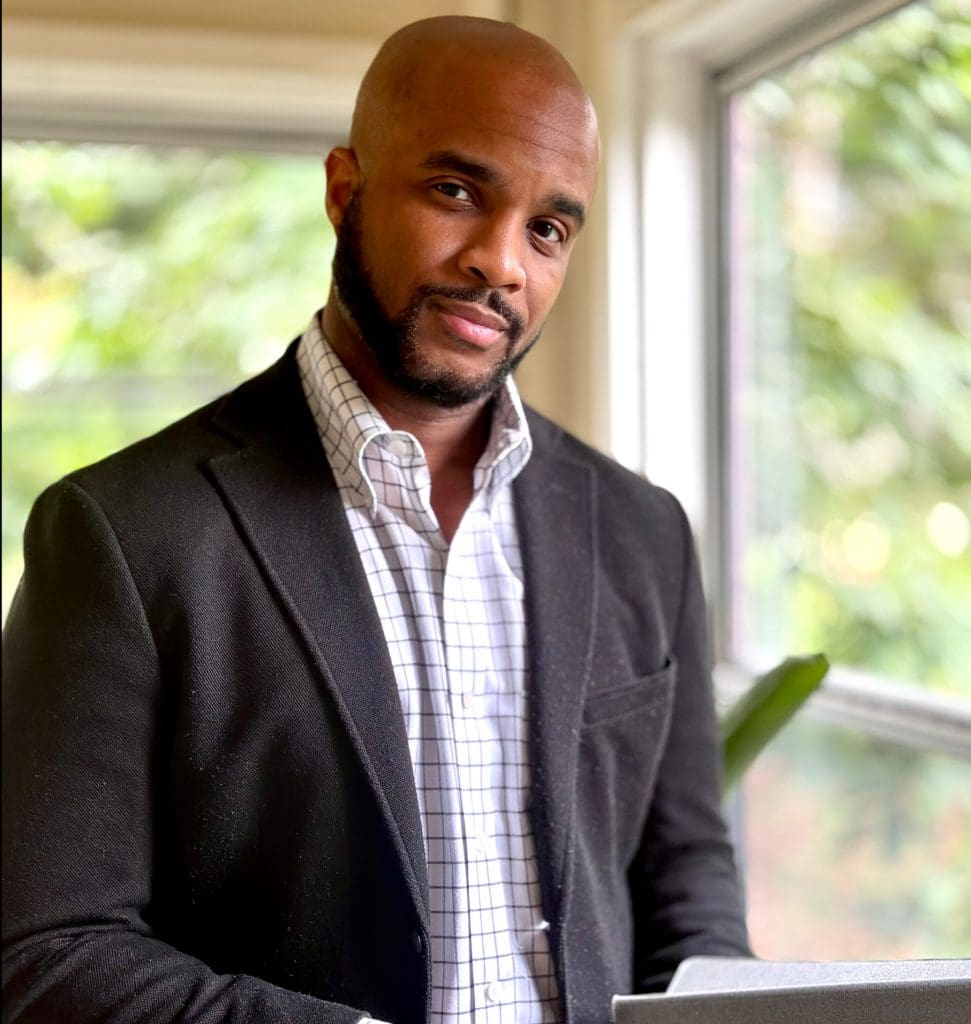
Library Technology Director Sees Digital Divide as Social Justice Issue

Dr. Dane Dell, G’11, G’17, is director of information systems for the Onondaga County Public Library System and has made it his mission to provide equitable access to information and technology.
Read More

Beth Patin

Championing info equity, Beth Patin advances epistemic justice, crisis informatics, & community resilience.

Sebastian Modrow

Linking history to LIS, Sebastian Modrow unites archival critique, info ethics, & heritage work.

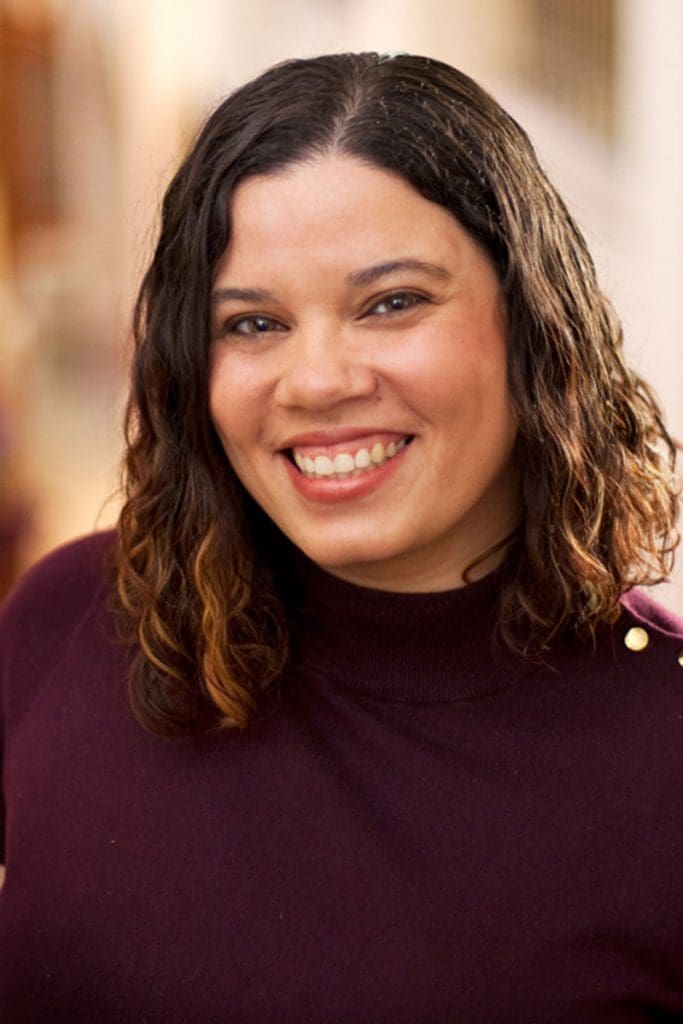
Renate Chancellor

Leading LIS for DEIA, Renate Chancellor champions equity, historical justice, & inclusive leadership.

Faculty Experts

At the iSchool, our M.S. in Library and Information Science (LIS) program is guided by a distinguished team of experts who bring a wealth of experience and knowledge to the classroom. Get to know the experts shaping the next generation of library and information studies and how their expertise enriches the student experience:

Frequently Asked Questions

How long does it take to complete the graduate program in library and information science?

With a total of 36 credit hours, the program typically takes about 1-2 years to complete.

Is a degree in library and information science worth it? 

Yes, it can be worth it for those passionate about managing information, with a stable job outlook and diverse career options in libraries, archives, and tech.

What career opportunities are available with a degree in library and information science?

Career options include librarians, archivists, information specialists, data managers, and roles in digital asset management, research, and education.

What skills are essential for success in a library and information science program?

Essential skills include critical thinking, research, organization, communication, tech literacy, and knowledge of information systems and ethics.
Meet us in Syracuse, or virtually.

American Library Association Accreditation Logo

The American Library Association’s Office of Accreditation regularly reviews library and information programs that wish to be accredited by ALA. Accredited MSLIS programs meet or exceed the Standards for Accreditation of Master’s Programs in Library and Information Studies, which were established by the Committee on Accreditation (COA) and adopted by ALA Council. The standards address systematic planning; curriculum; faculty; students; administration, finances and resources.

The American Library Association’s Committee on Accreditation has been evaluating LIS programs since 1924. The Council for Higher Education Accreditation (CHEA) recognizes the ALA COA as the authority for assessing the quality of education offered by graduate programs in the field of library and information studies.

In order to maintain accreditation, an MSLIS program must submit to a regular process that involves rigorous, ongoing self-evaluation. The results of that evaluation are verified through an external review conducted by the Committee on Accreditation. In addition, every program submits data to ALA on an annual basis and submits regular biennial reports.

ALA 2023 Self-Study Final

The MSLIS program at Syracuse University is accredited by the American Library Association Committee on Accreditation, with the status of Continued accreditation. The next comprehensive review visit is scheduled for Fall 2030.

2024 Program Review

Our guiding council carefully reviews competencies and course offerings to ensure that the iSchool is a leader in library and information science education, and you can find more information on the guiding council in its bylaws.

Learn More About Our Guiding Council

View detailed information about graduation rates and testing success rates, showing what graduates of our program go on to achieve.

View student achievement data.