Library and Information Science
Master’s Degree
School Media Concentration

REQUEST INFORMATION

Have Questions? Send us your contact info below and we’ll get in touch!

Loading...

Earn Your Master’s Degree in School Library Media

The Library and Information Science: School Media master’s degree at Syracuse University prepares you to teach literacy, support educators, and create inclusive learning spaces for K-12 students. Through a tech-driven, human-centered approach, you’ll develop the skills to navigate misinformation, promote digital citizenship, and provide students with the resources they need to think critically and learn effectively in an evolving digital world. As the #3 top-ranked program for school library media, this program prepares you to become a leader in school librarianship, inspiring the next generation of lifelong learners.

Program Benefits

  • Complete 100 hours of hands-on training in K-12 school settings.
  • Earn a degree from a nationally ranked, ALA-accredited program.
  • Enjoy flexible, convenient online study from anywhere.
  • Meet New York State requirements to become a certified school library media specialist.
Program Info

Clock

Next term starts: 

Fall 2026

36

Total Credit Hours

Graduate

Program Duration:

2 years

Laptop

Program Delivery: 

Online & On Campus

12

Courses

 
Admissions Requirements
  1. Complete the Graduate Program Application – Submit your application through the Graduate Program Application portal.
    After submission, you’ll receive an email confirmation from Syracuse University.
  2. Pay the Application Fee – A non-refundable fee of $75 is required.
    If you’re applying to multiple programs, each requires a separate application and fee.
    Post-9/11 veterans may qualify for a fee waiver; contact the Veterans Resource Center at veterans@syr.edu for details.
  3. Submit Academic Transcripts – Provide one copy of transcripts from all postsecondary institutions you’ve attended. While unofficial transcripts are acceptable for initial review, official transcripts confirming a U.S. bachelor’s degree (or equivalent) are necessary upon admission. Failure to provide official transcripts may result in revocation of admission.
  4. Write a Personal Statement – In approximately 500 words, discuss your academic and personal interests, relevant experiences, reasons for choosing this degree and Syracuse University, and your future plans post-graduation. Upload this document through the online application.
  5. Obtain Two Letters of Recommendation – Request two letters from individuals who can assess your qualifications. Recommendations can be submitted electronically via the OnBase application system. If electronic submission isn’t possible, mail sealed letters, signed across the seal by the recommender, to the Graduate Enrollment Management Center.
  6. Consider Exam Scores – Submitting GRE scores is optional. If you’ve taken the GRE, GMAT, or LSAT, you’re encouraged to include your scores.
  7. Provide a Current Resume or Curriculum Vitae (CV) – Include an up-to-date resume or CV with your application.

Please visit the M.S. in Library and Information Science Application Checklist for more detailed information.

 
How to Apply
  1. Gather Required Documents
  2. Complete the Graduate Program Application:
    • Visit the Graduate Program Application portal on the Syracuse University website.
    • Create an account and fill out your personal information, educational background, and program-specific details.
  3. Submit Supporting Documents
  4. Pay the Application Fee
  5. Track Your Application

If you have any questions or need assistance throughout the process, feel free to reach out to our Enrollment Management team at iGrad@syr.edu. A member of our team will be happy to assist you.

We look forward to receiving your application!

 
Tuition & Fees

Cost per
credit

$2,086

X

Number
of credits

34

=

Total
Tuition

$75,096

Visit our graduate costs page to see a full list of tuition costs, housing, fees, and international student financial requirements. 


What Can You Do With a LIS Master’s Degree in School Media

Designed to meet New York State Department of Education requirements, our program combines rigorous coursework with 100 hours of field experience, ensuring graduates are fully prepared for certification exams. With a strong foundation in information literacy, educational technology, and library management, you’ll be qualified to support students, collaborate with educators, and enhance learning environments in K-12 schools.

Career opportunities
  • School Librarian
  • Library Media Specialist
  • Teacher Librarian
  • Youth Services Librarian
  • Children’s Librarian
  • Youth Services Coordinator
  • Teen Services Librarian
  • Young and Emerging Adult Librarian
  • Children’s Reference Librarian

Gain Experience.

Combine 100 hours of fieldwork with opportunities to join a research lab or collaborate with faculty on their academic work, exploring the role of school librarians in fostering lifelong learning and furthering information literacy and social justice.
Get Certified.

For those who have already earned an ALA-accredited LIS degree, our Certificate of Advanced Study in School Media is also available as a standalone program.  Through 21 credits of graduate coursework, you’ll be prepared to take the New York State certification exams.
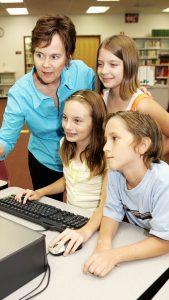

woman with students
librarian with students at computer

Pursue your future.

The iSchool’s tight-knit community means that you’ll become part of a vibrant and active professional network when you graduate. That’s how we’re able to place nearly all of our graduates into a variety of roles in schools and school districts.

0%
All of our students get access
to career support staff
0+
iSchool alumni give
you access to
mentoring and jobs
child sitting to reading
child
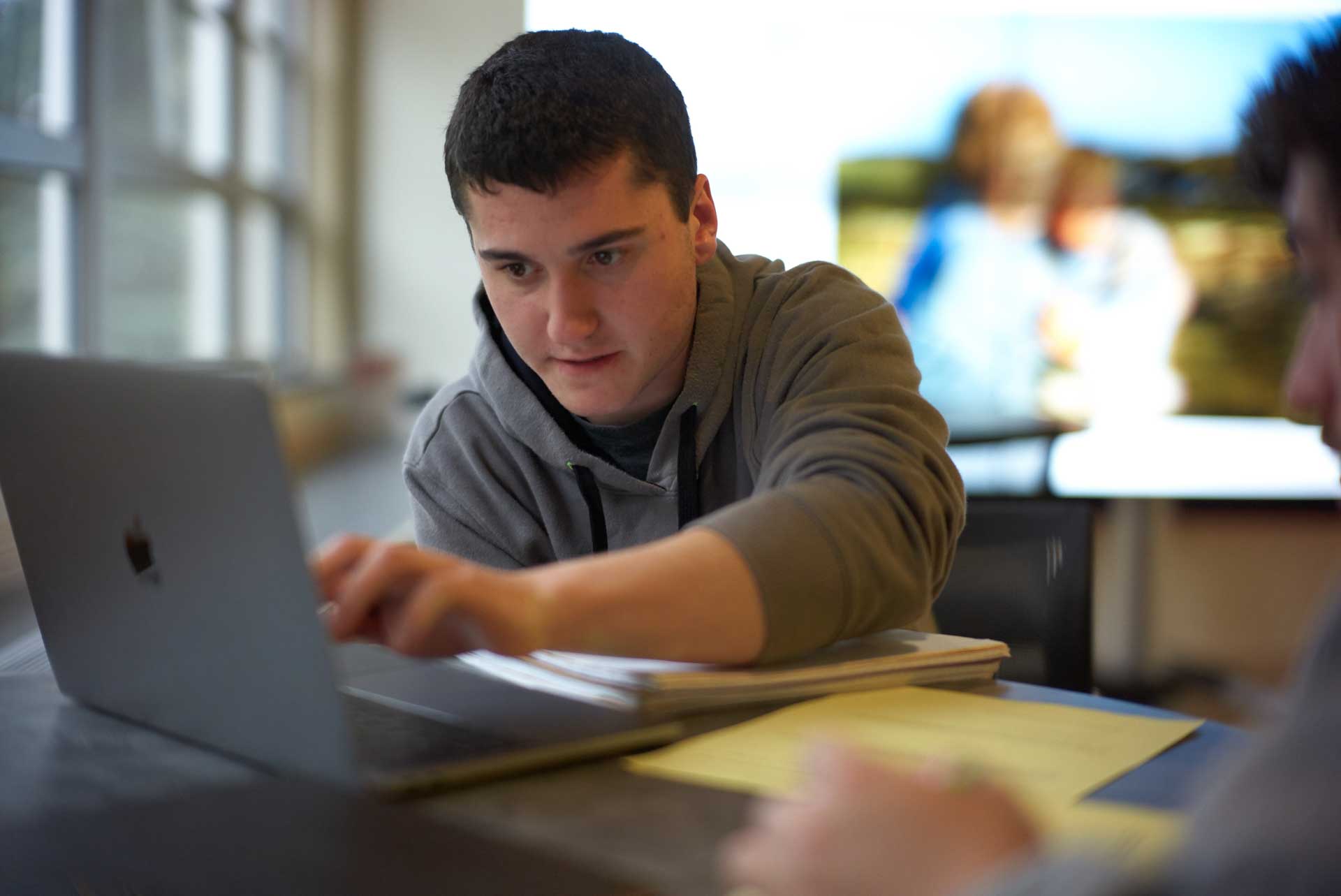
A student works on his laptop

Our LIS program has been accredited by the American Library Association (ALA) since 1928, we currently hold continued accreditation status through 2030.

Courses & Curriculum

Our LIS: School Media degree program is 36 credits, and is typically completed within 2 years. The program prepares you for a career as a school librarian and incorporates preparation for New York Department of Education certification into the curriculum.

Introductory Course – 3 Credits

IST 511 | 3 CREDITS
Survey of the professional, social, ethical, and legal issues affecting information service professionals and organizations and prepares students to deal with these issues and work with a diverse community.

Information Resource and Service Courses – 6 credits

IST 605 | 3 CREDITS

Equips students with foundational knowledge of library ethics/standards, user information behavior, information literacy (including core information search, evaluation, and use practices), library resource types and discovery tools, question answering strategies, and related user-responsive library resources and services.

IST 616 | 3 CREDITS
Enables students to discern gaps between user/community needs/goals and library services, resources, and facilities; students develop recommendations to close gaps. Covers project management, marketing/communications, and assessment. Course content is contextualized in collaboration with partner libraries.

Management Course – 3 credits

IST 717 | 3 CREDITS
Management of academic, public, and special libraries. Relationship between library and its parent institution; internal organization and operation; library information policies; library financing; legislation affecting libraries.

School Media Specific Coursework – 15 Credits

IST 564 | 3 CREDITS
Provides students on K-12, public, and academic library paths with context, awareness, and strategies to develop programs, services and facilities, and to select resources and technologies that ensure patrons and staff with disabilities have inclusive library experiences.

IST 611 | 3 CREDITS
Information and communications technologies, ethical issues, knowledge management tools, collaborative learning technologies, education databases, etc. On-site project field work constitutes a major portion of course requirements.

IST 612 | 3 CREDITS
Introduction to best practices and methods to support and develop youth services programming in school and public library settings. Students gain skills in collection development, knowledge of youth literature, and information literacy instruction to serve a rich diversity of youth.

OR
IST 512 | 3 CREDITS
This course will explore the history of, characteristics of, benefits of, and problems surrounding the genres of children’s and adolescent literature. The course will familiarize students with a variety of texts written for children and young adults and give a historical and theoretical background for the teaching of literature.

IST 662 | 3 CREDITS
Prepares students to teach, train, consult, and present programming in information organizations. Focuses on understanding learners and audiences, utilizing educational theory, designing strategies for conveying content, employing inclusive techniques, and assessing effectiveness of instructional episodes.
*Not required for certified teachers, who may take extra elective

IST 668 | 3 CREDITS
Introduction to standards-based methods to support and reinforce library instruction, multiple literacies, reading comprehension in all formats, and information fluency. Development of collaborative instruction and programs that foster student agency and voice, family and cultural literacy.

OR

RED 613 | 3 CREDITS
Theory, research-based concepts, instruction, materials, assessment, and programs for teaching comprehension. Integrated into the course are an emphasis on instructional coaching and using technology to promote comprehension development.

Electives – 6 credits

Dependent upon transcript evaluation from undergraduate or graduate education courses, one elective may be taken from the Library and Information Science set of electives. Students can also choose other courses but will require a petition with program director approval.

Exit requirement

Students must complete 480 hours of fully supervised and evaluated school-based library experiences at the elementary and secondary levels (240 hours each). Those with a teaching degree can complete 50 hours, either elementary or secondary. Students with a minimum of one academic year of work experience in a school librarian capacity may be exempt from IST 972: School Media Practicum. While IST 613 typically replaces IST972, students may petition the Program Director to substitute either course with an elective instead. This option is available because school library media certification requires additional assessments beyond standard coursework.

Fieldwork

School media students must complete a total of 100 (non-credit) hours of fieldwork in elementary and secondary school libraries before their first practicum experience. A minimum of 15 of the 100 clock hours of field experience must include a focus on learning differentiation.

Additional Requirements

Completing the School Media Program plus the requirements below qualifies students for certification as a School Library Media Specialist in New York State elementary or secondary schools.

Required for Certification:

  • Three workshops that must be completed through approved training hours or coursework. Verification must be posted to TEACH if done externally. More information: Workshops Required for Educator Certification:Submitting Documents:Certification:OTI:NYSED
    •  Child Abuse Identification and Reporting Workshop
    • Dignity for All Students Act (DASA) Workshop
    • School Violence Prevention and Intervention Workshop
  • Four Child Safety Milestone Workshops
    • Alcohol/Drug/Tobacco Prevention
    • Child Abduction Prevention
    • Fire and Arson Prevention
    • Highway/General Safety
  • NYS certification exams*
  • Fingerprint clearance*

*May be completed after graduation

Student Success Stories
Meet Our Alumni

Our alumni from the Library and Information Science master’s program have excelled in various educational roles, such as school librarians, library media specialists, and youth services coordinators. Their success stories highlight the program’s effectiveness in preparing graduates to foster literacy and manage information resources in K-12 educational settings.

Visit our Alumni & Friends page to discover more about their inspiring stories and connect with fellow alumni.
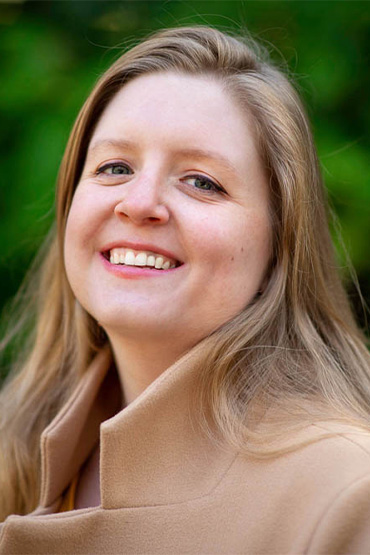
Heather Crane
Librarian Shares How Aptitude Test Changed Her Career Path

Heather Crane G’23 is an open education librarian at Embry-Riddle Aeronautical University in Florida. She graduated from Syracuse’s iSchool in December with a master’s degree in Library and Information Science.
Read More

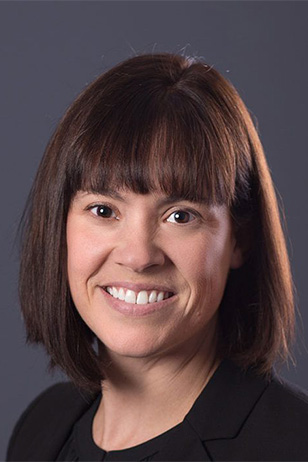
Megan Oakleaf

Advancing LIS impact, Megan Oakleaf leads info lit, learning analytics, & library assessment.
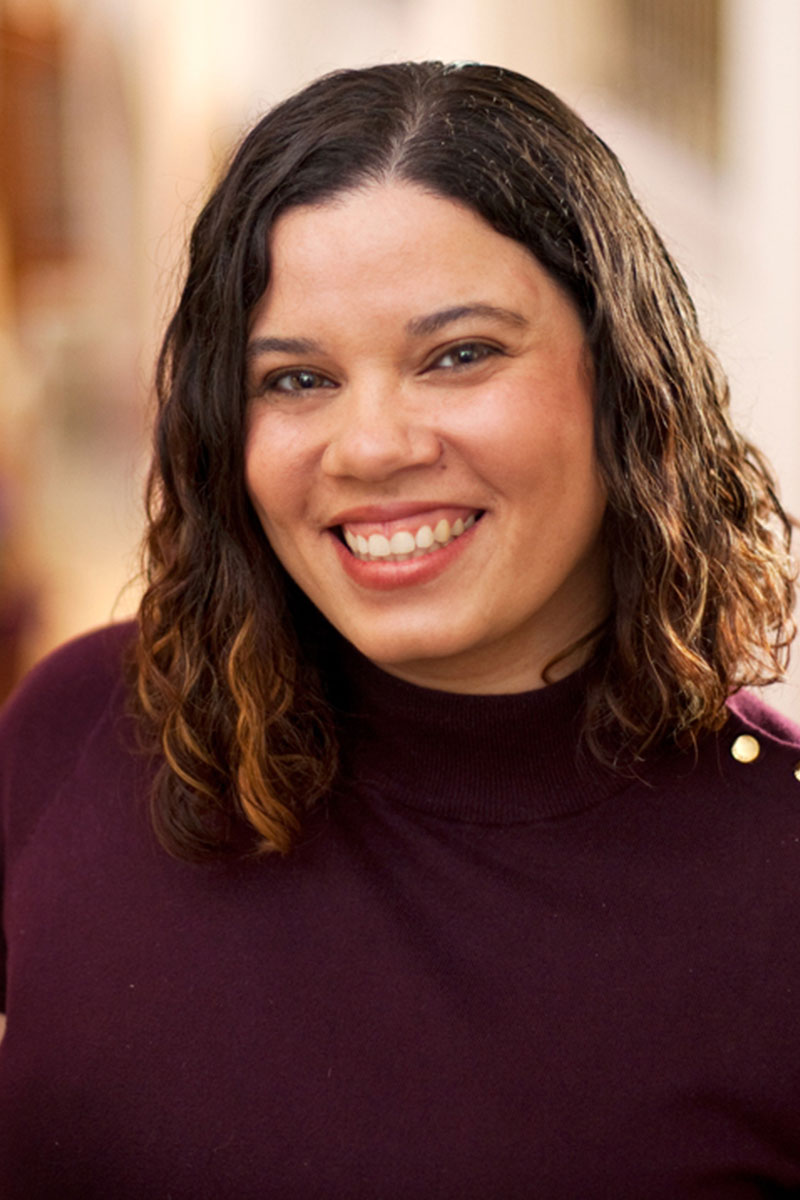
Beth Patin

Championing info equity, Beth Patin advances epistemic justice, crisis informatics, & community resilience.

LaVerne Gray

Inspired by LIS pioneers, LaVerne Gray guides school librarians in fostering info equity & youth voice.

Faculty Experts

Our faculty are leaders in library science, education, and technology, bringing real-world experience and cutting-edge research into the classroom. Learn from dedicated professionals who are shaping the future of school librarianship and information literacy.

Frequently Asked Questions

Is a media specialist the same as a librarian?

While both roles involve managing library resources and supporting literacy, a school media specialist focuses on integrating technology, digital resources, and media literacy into the curriculum.

Are there certification options for school media specialists?

Yes, many states require certification for school media specialists, and our program prepares students to meet these requirements. Be sure to check your state’s specific guidelines.

Is the GRE required for application?

The GRE is optional, but you may submit your scores if you have them.
Meet us in Syracuse, or virtually.

American Library Association Accreditation Logo

The American Library Association’s Office of Accreditation regularly reviews library and information programs that wish to be accredited by ALA. Accredited MSLIS programs meet or exceed the Standards for Accreditation of Master’s Programs in Library and Information Studies, which were established by the Committee on Accreditation (COA) and adopted by ALA Council. The standards address systematic planning; curriculum; faculty; students; administration, finances and resources.

The American Library Association’s Committee on Accreditation has been evaluating LIS programs since 1924. The Council for Higher Education Accreditation (CHEA) recognizes the ALA COA as the authority for assessing the quality of education offered by graduate programs in the field of library and information studies.

In order to maintain accreditation, an MSLIS program must submit to a regular process that involves rigorous, ongoing self-evaluation. The results of that evaluation are verified through an external review conducted by the Committee on Accreditation. In addition, every program submits data to ALA on an annual basis and submits regular biennial reports.

ALA 2023 Self-Study Final

The MSLIS program at Syracuse University is accredited by the American Library Association Committee on Accreditation, with the status of Continued accreditation. The next comprehensive review visit is scheduled for Fall 2030.

Our guiding council carefully reviews competencies and course offerings to ensure that the iSchool is a leader in library and information science education, and you can find more information on the guiding council in its bylaws.

Learn More About Our Guiding Council

View detailed information about graduation rates and testing success rates, showing what graduates of our program go on to achieve.

View student achievement data.